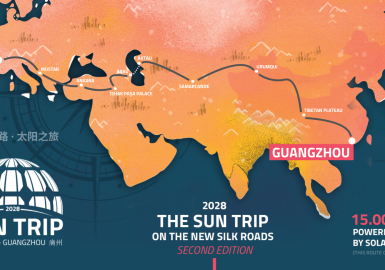
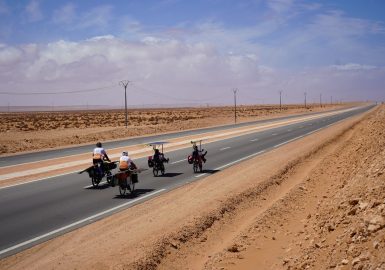
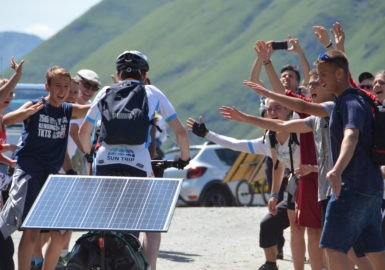
The recent announcement of The Sun Trip 2028 project, once again imagined between France and China, has left no one indifferent. And among those who have already written their names into the history books, enthusiasm is fully in line with the scale of the challenge ahead: immense.
Longer, more structured, and more demanding both geographically and athletically, this renewed Sun Trip is already seen as the most difficult edition ever proposed.
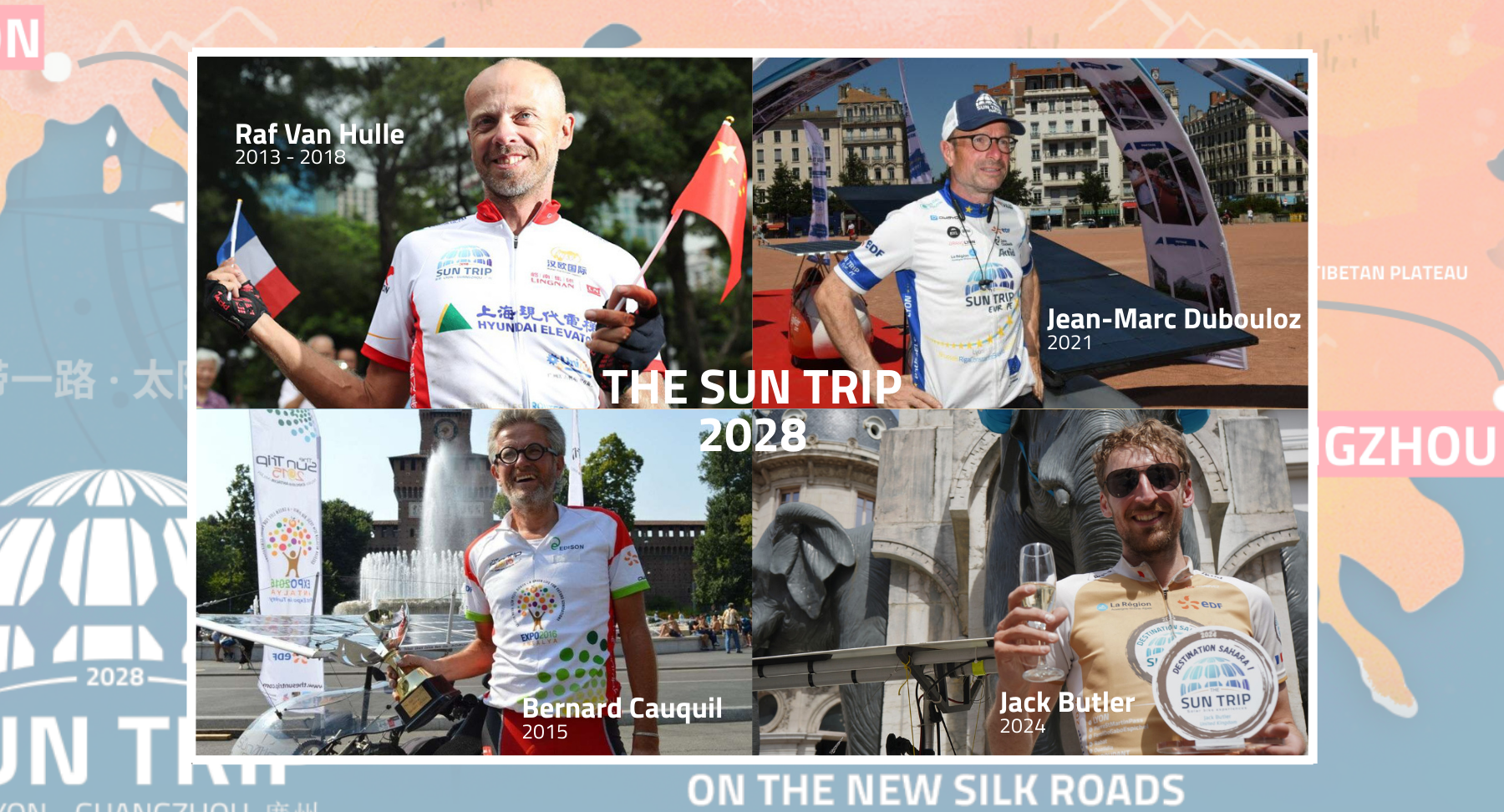
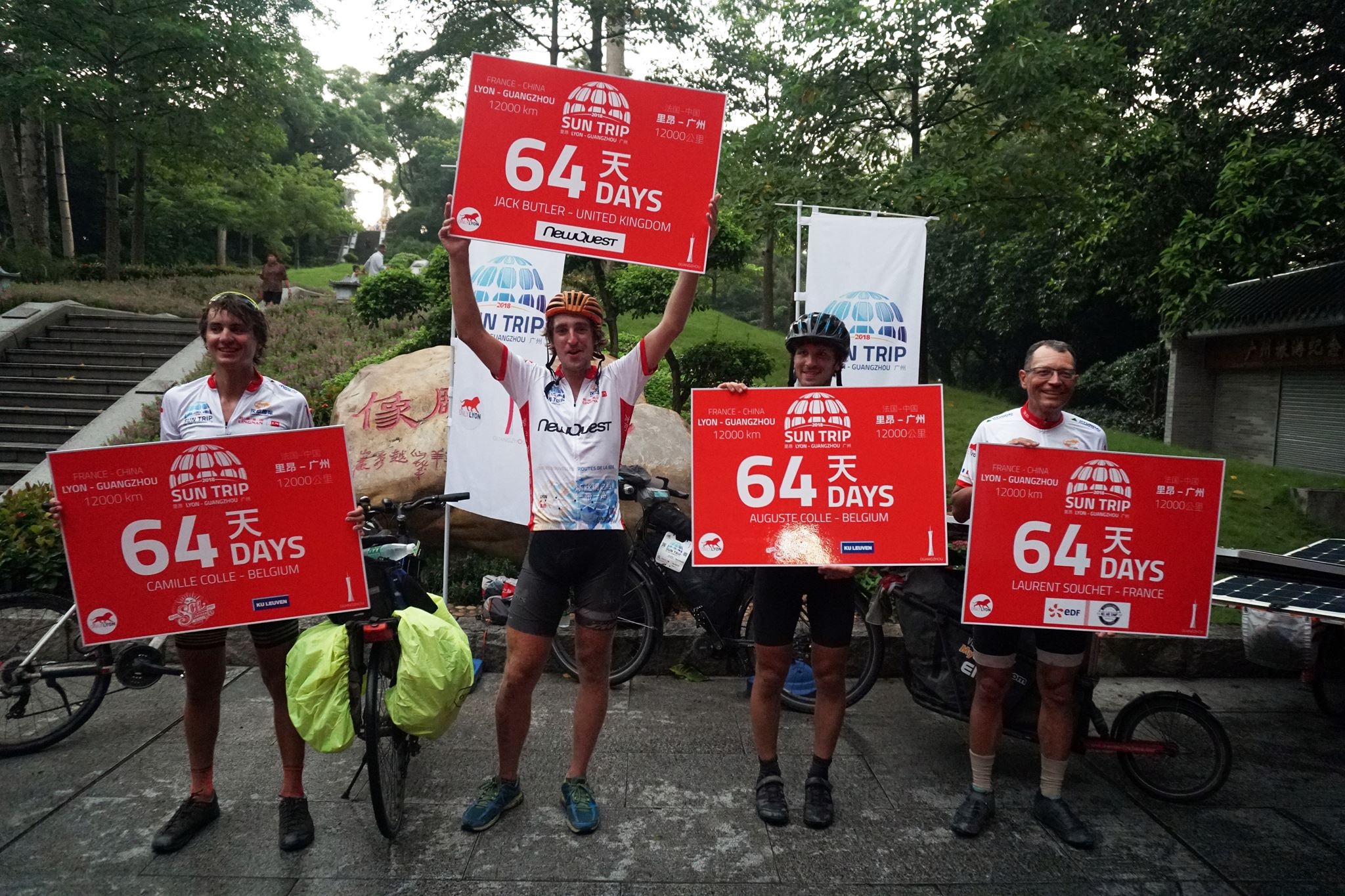
As a New Year’s gift, we bring you the combined reactions of the four winners of the first five editions of The Sun Trip: Raf Van Hulle (2013 and 2018), Bernard Cauquil (2015), Jean-Marc Dubouloz (2021), and Jack Butler (2024).
Several of these champions could well meet again on the starting line in 2028, for an edition that is already shaping up to be legendary.
1. What were your reactions when the project was announced?
Raf Van Hulle: A race like this changes your life! I always hoped I would be able to ride this legendary route to China again, preferably as part of the Sun Trip — but with a little more time to look around. In 2018, I had no time to really explore: I passed through places where I would have loved to stay longer. It was eat fast and race, or both at the same time. I caught a glimpse of the Great Wall of China out of the corner of my eye. For this next edition, I hope I won’t have to rush as much and that I’ll have more time to wander.
Bernard Cauquil: Both a very pleasant surprise and a sign that the Sun Trip adventure is still very much alive and ready to make people dream once again.
Jean-Marc Dubouloz: Bravo — if this project comes to life. This is the very project that originally motivated me to sign up for the Sun Trip in 2020, before COVID changed everything.
Jack Butler: Very enthusiastic. It’s fantastic that another large-scale Sun Trip to China is happening. This Sun Trip will clearly be on a whole different level.
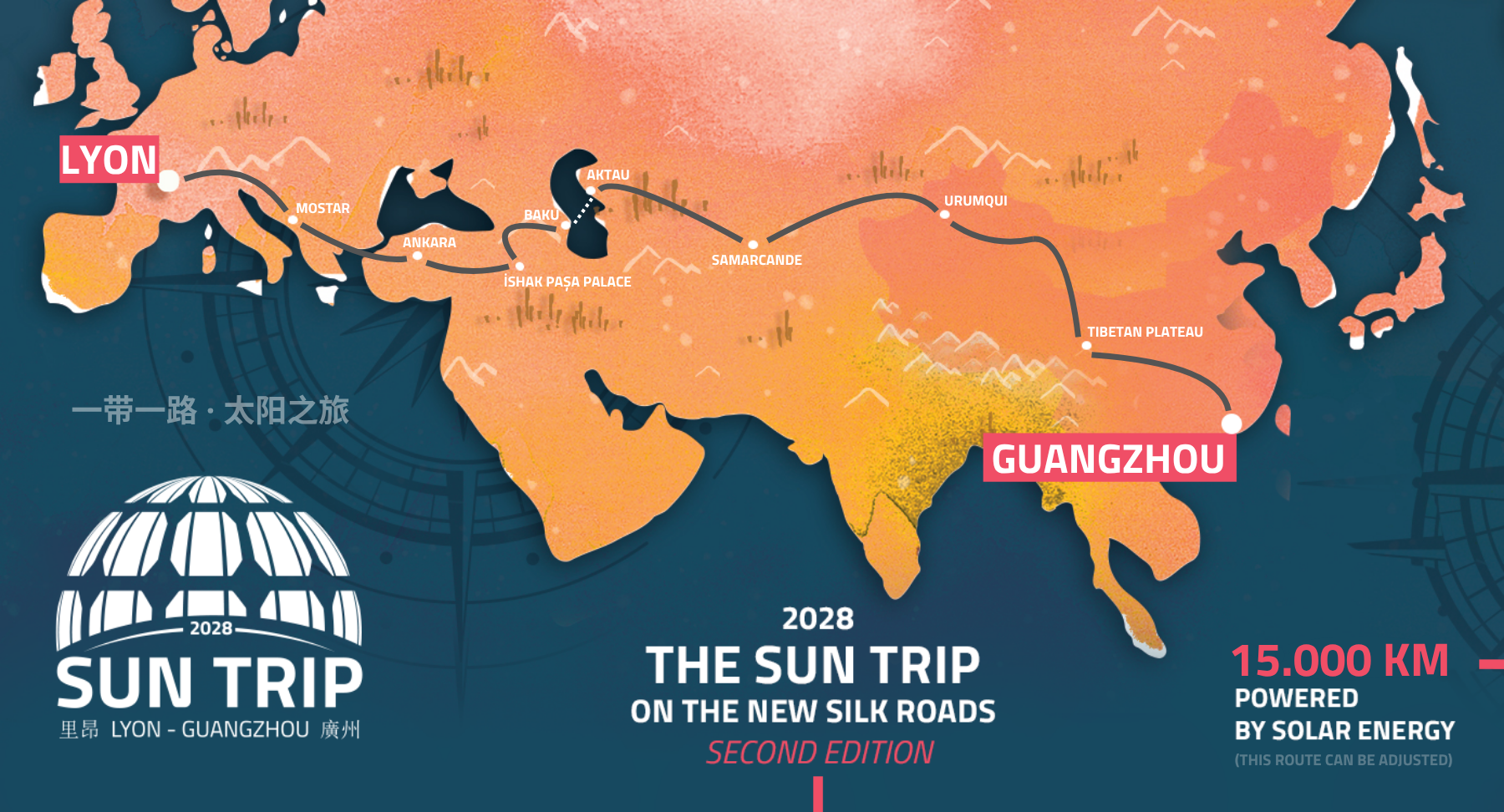
2. Despite remaining uncertainties around the Caucasus / Caspian Sea sector, what do you think of the overall route?
Bernard Cauquil: The route will certainly be more demanding than in 2018, with the passage through the Balkans and the high Tibetan plateaus, where only Mickaël Polak ventured in 2018.
Jean-Marc Dubouloz: The Chinese Tibet is still on the programme, with that long stretch above 4,000 metres — a section that really fuels the imagination.
Jack Butler: The route looks very interesting. I think the experience will be very different for the adventurers who take it on compared to the 2018 Sun Trip. Managing the Caspian Sea ferry is a key point: the challenge will be to integrate it into the race without adding too much randomness.
Raf Van Hulle: A lot depends on the crossing of the Caspian Sea. It’s an oil ferry that only sails when it’s full — something completely out of the riders’ control. The organisation can, however, create a fair and equitable system around this. Fortunately, Baku is a very beautiful city where waiting for the ferry isn’t a hardship. A mandatory stop is important to catch your breath, carry out small bike repairs, and meet other participants.
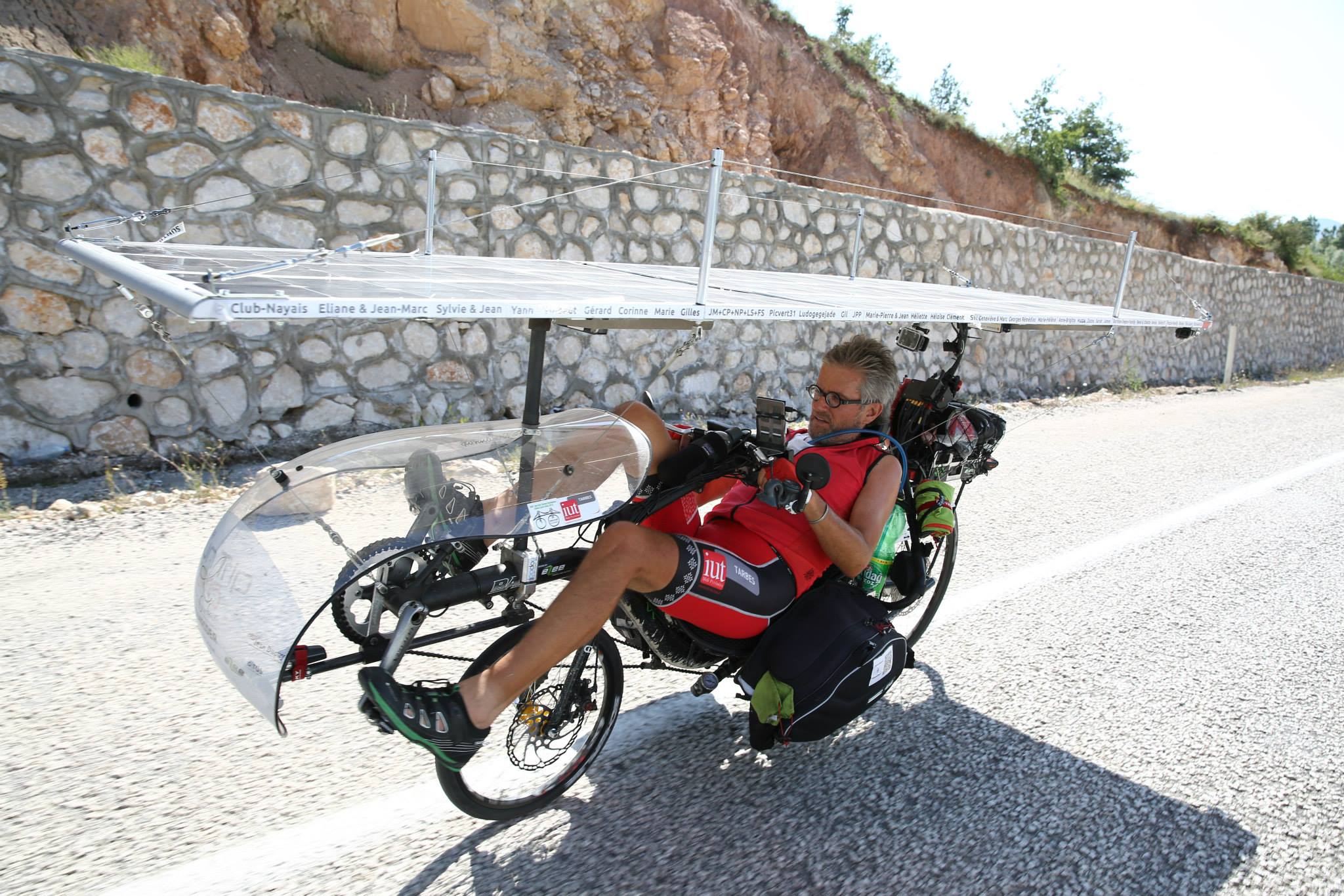
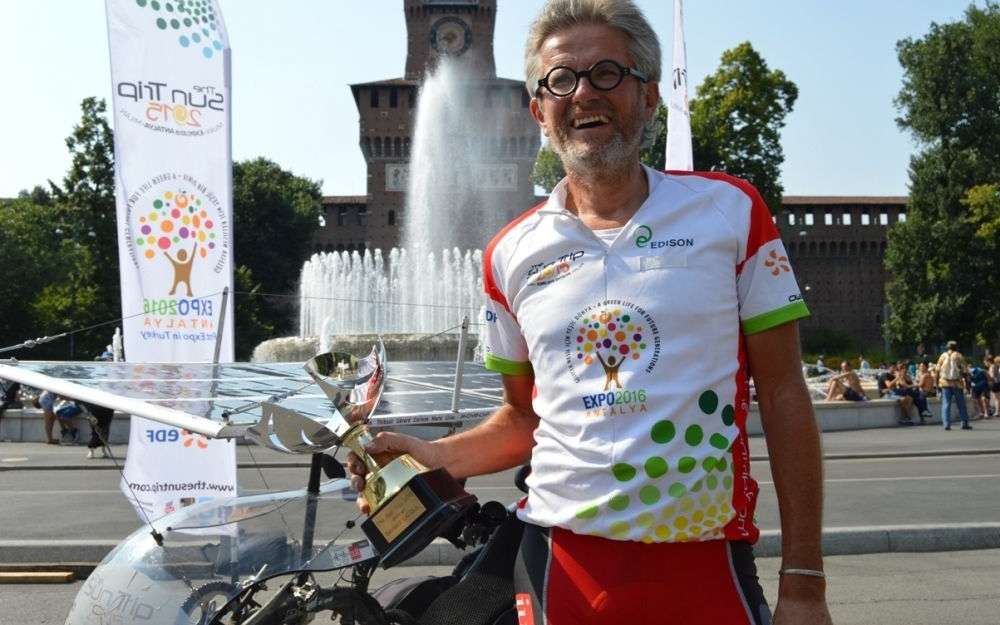
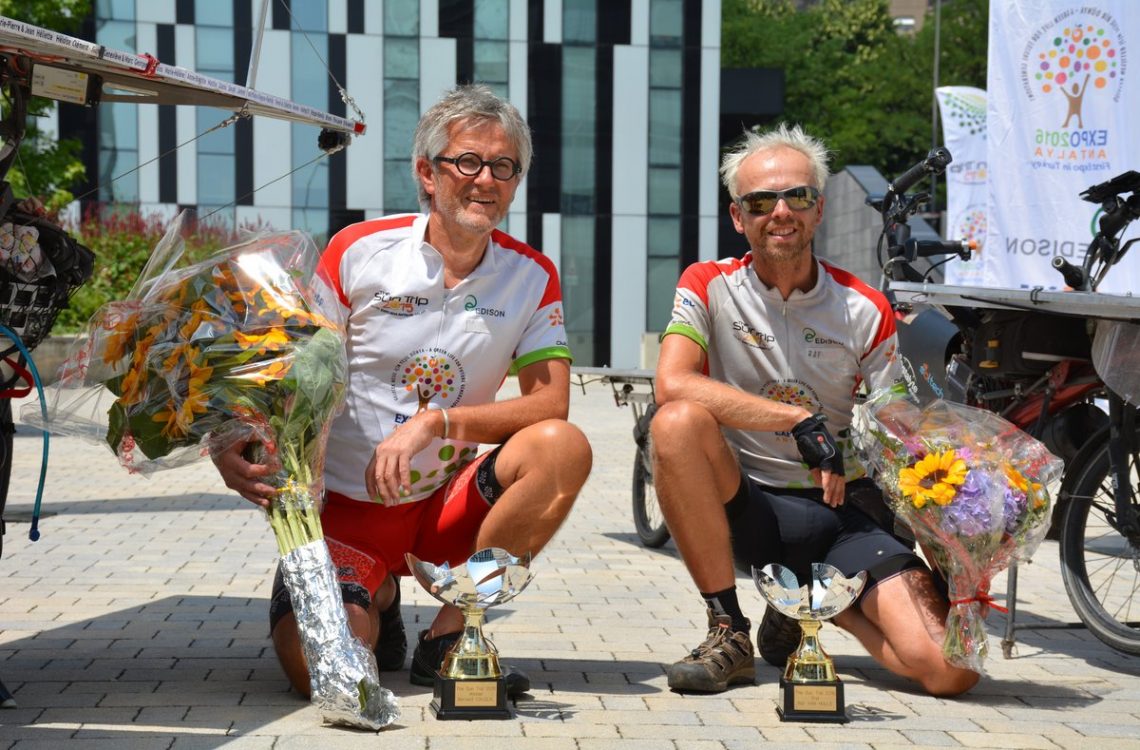
Focus on Bernard Cauquil — winner in 2015, third in 2021
3. Do you think this is the most difficult Sun Trip ever proposed? What will be the key sections?
Jack Butler: Yes, it will almost certainly be the hardest Sun Trip to date. In 2018, the routes I took — like many other participants — generally avoided the most difficult areas. With the addition of checkpoints this time, especially on the high Tibetan plateau, the challenge will be enormous. The hardest routes are more manageable for Sun Trippers seeking adventure and an epic journey rather than pure performance. But for racers, this route will be extremely demanding.
Raf Van Hulle: The difficulty depends on how you approach it. It’s a magnificent route, but for those who want to win, it will be a true test of endurance. 15,000 km is no small thing! We’ll cross the Balkans, then Turkey, followed by Georgia and Azerbaijan — a sequence I haven’t done yet. From Aktau to beyond Urumqi, I know the G30 road well (I get goosebumps just writing its name). I’ve placed markers everywhere there are small hotels, as they are very rare for foreigners. Somewhere between Jiuquan and Lanzhou, I’ll have to turn right to enter the Tibetan plateau. From there on, everything will be new for me. Yes, I truly can’t wait to set off.
Bernard Cauquil: I do believe this is the most difficult route ever proposed. As mentioned earlier, the Balkans and the approach to the Tibetan plateau are key sections. The uncertainties linked to the Baku–Aktau crossing could also play a major role.
Jean-Marc Dubouloz: Managing the Caucasus crossing will be crucial — Georgia or Azerbaijan? Should a single route be imposed? The race must absolutely be neutralised for the Caspian Sea crossing. It’s far too unpredictable; otherwise it would be a pure lottery. And the rules for using Chinese roads also need to be clarified more precisely.
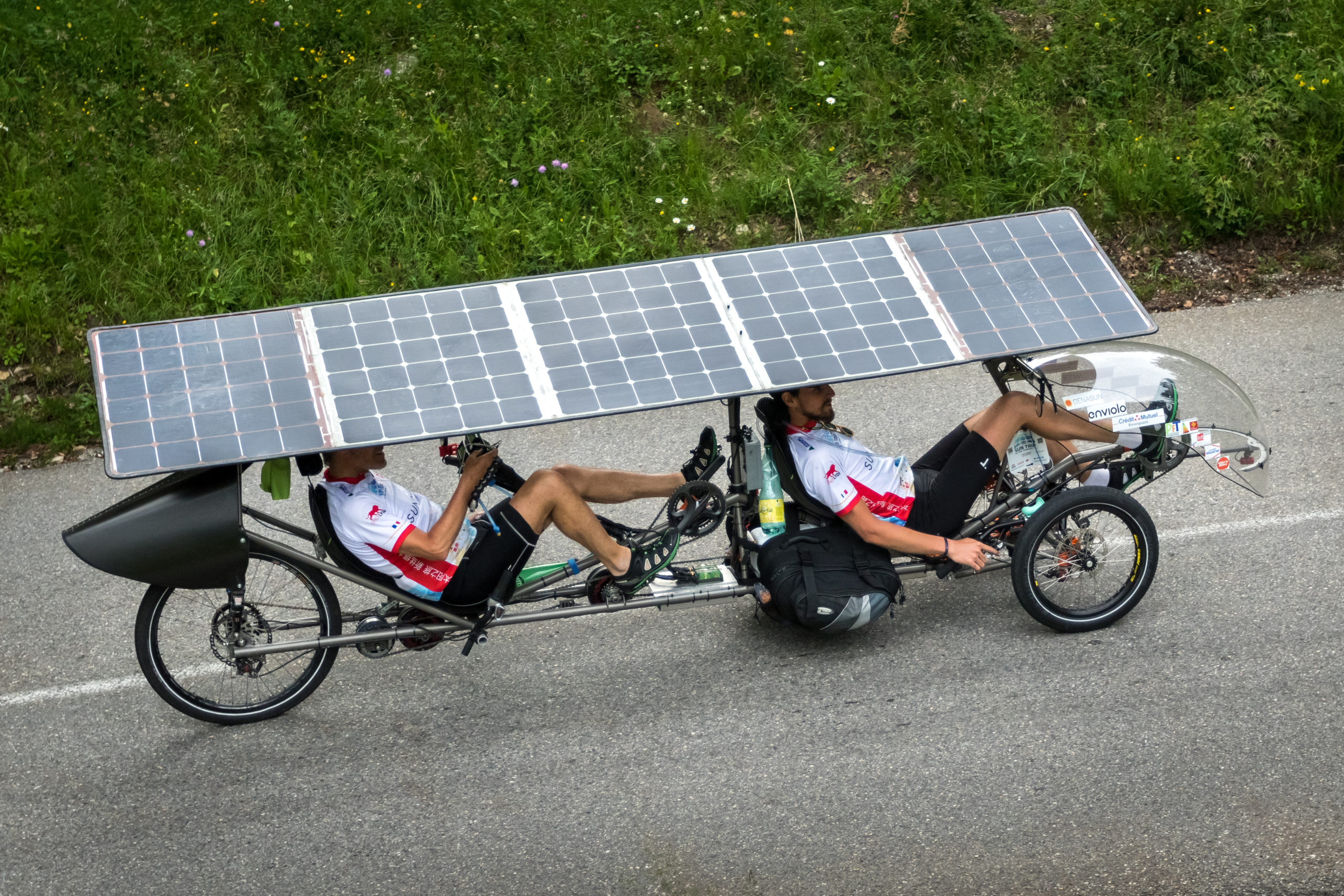
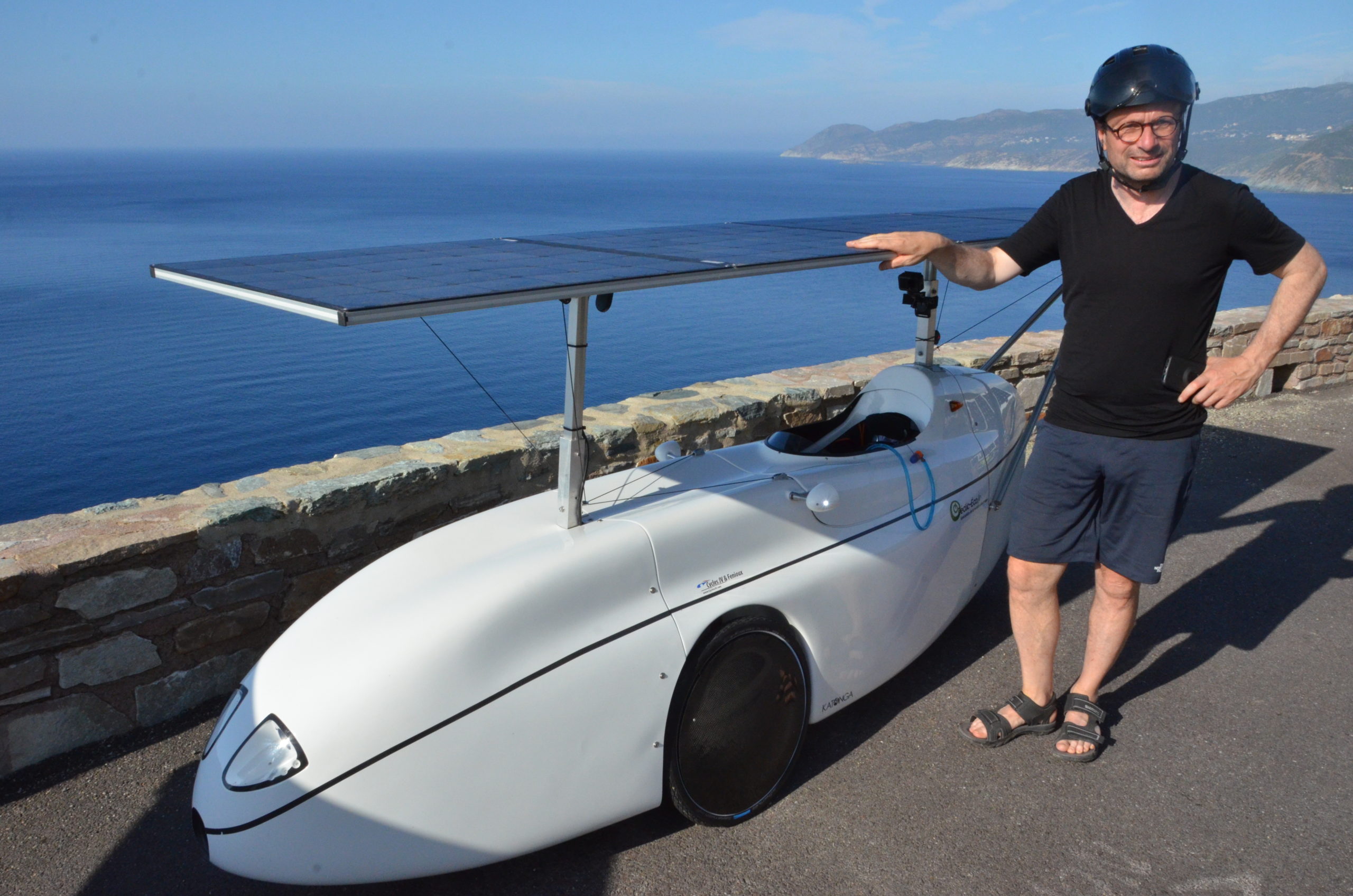
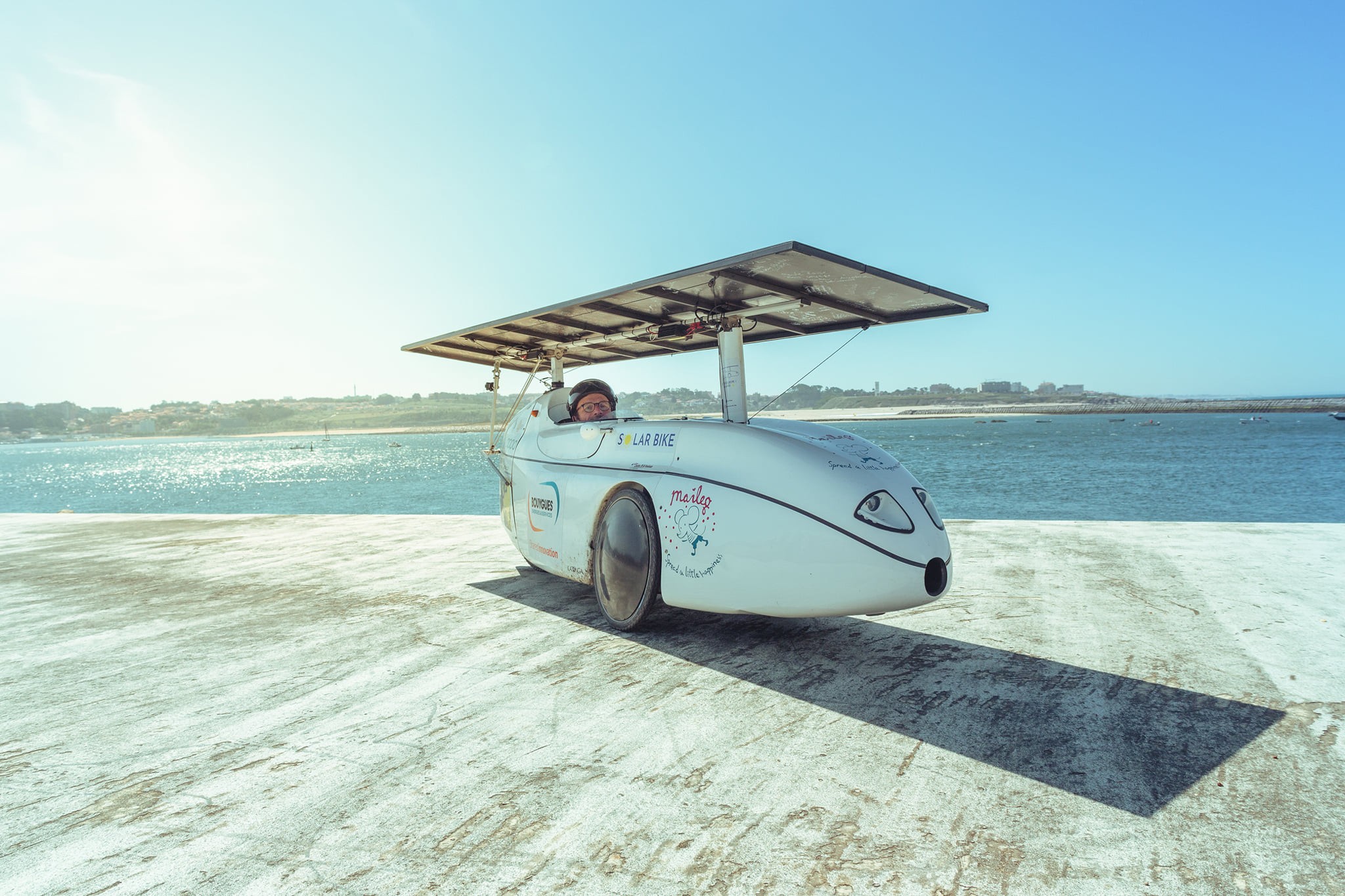
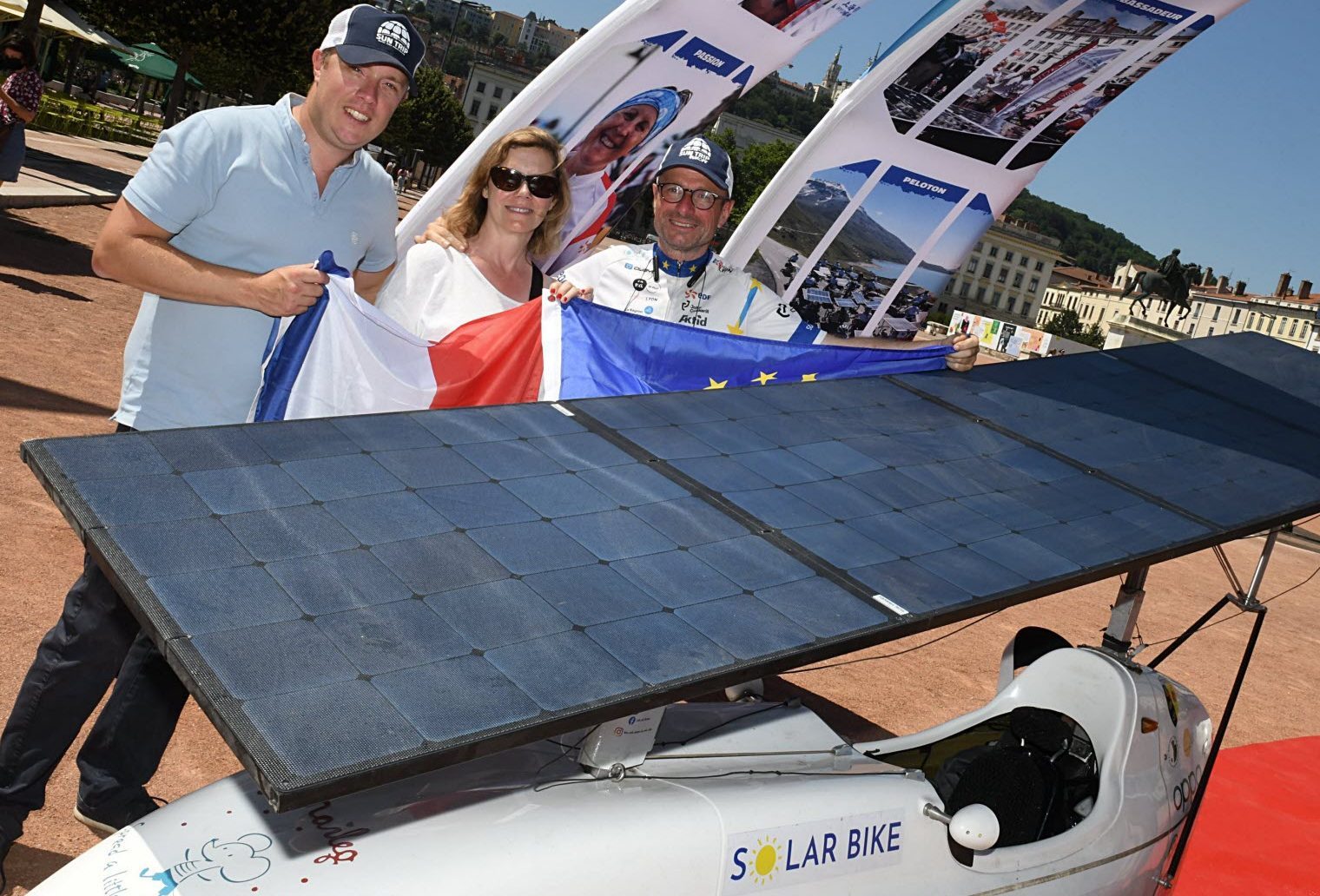
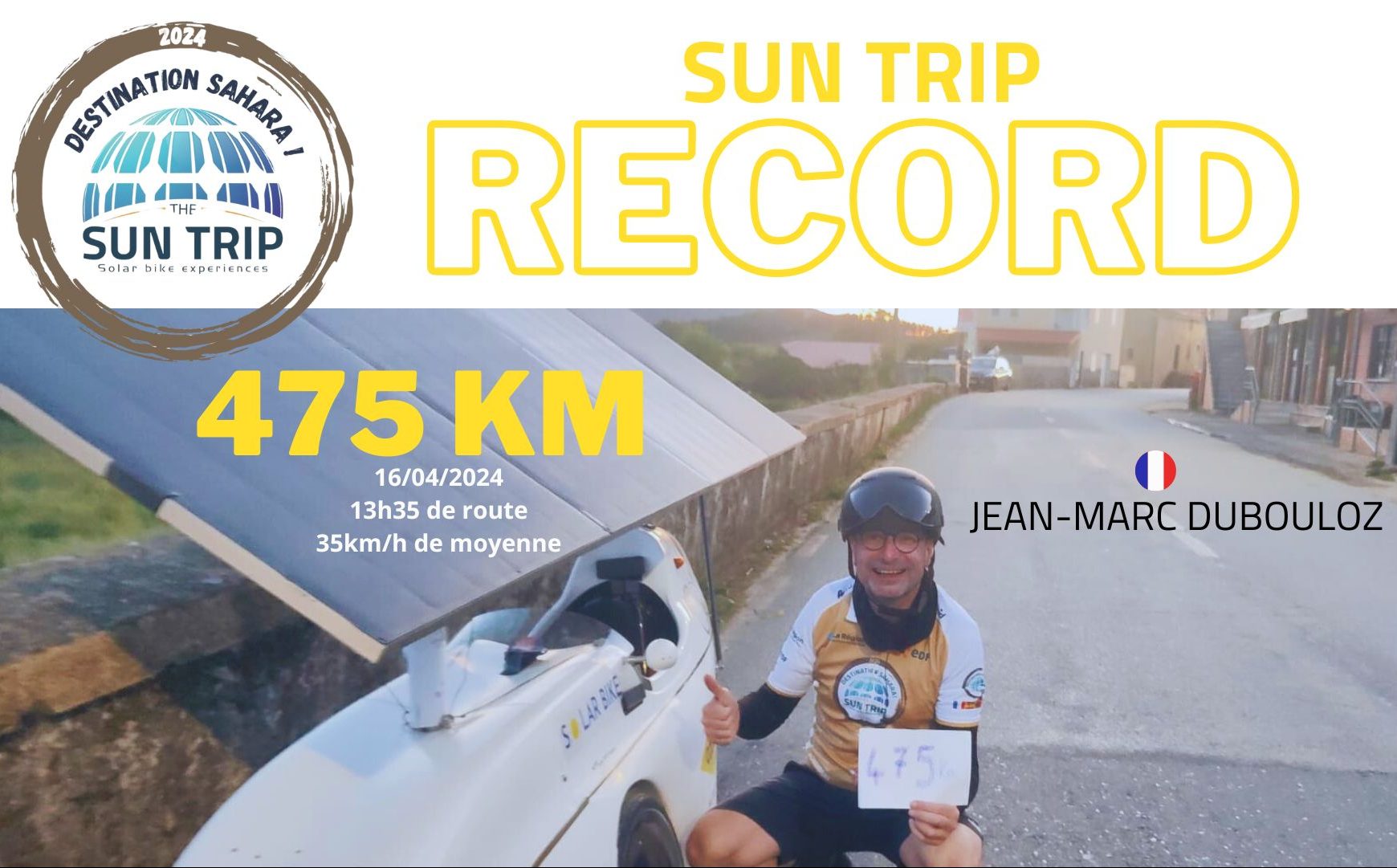
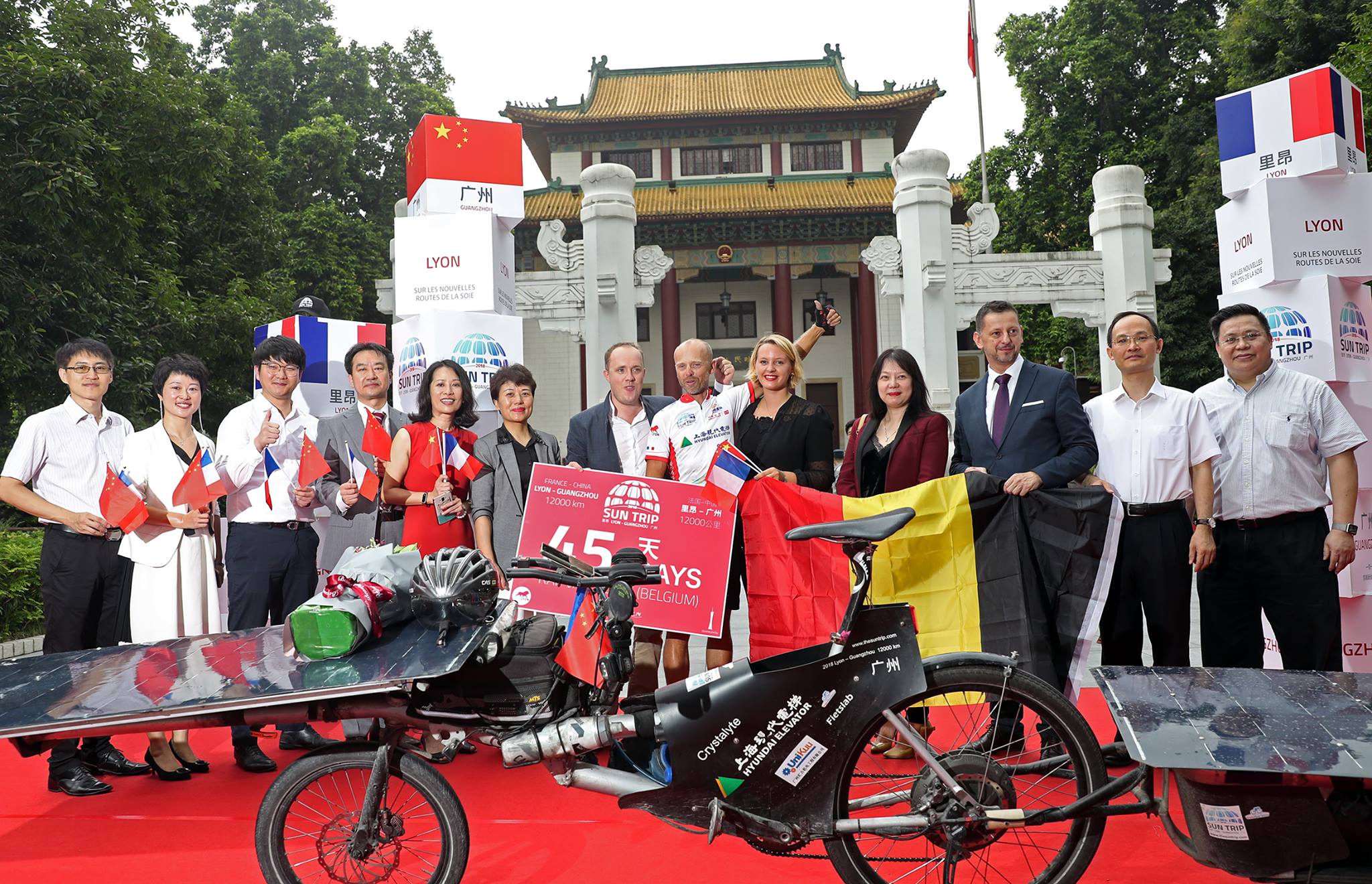
Focus on Jean-Marc Dubouloz — winner in 2021, runner-up in 2024
4. What daily average distance do you think the fastest participants will be able to maintain?
Jean-Marc Dubouloz: I’d say between 300 and 350 km per day.
Raf Van Hulle: Technology keeps moving forward. In recent editions, we’ve seen that 300 to 330 km per day has become normal — even in Europe! In Europe, cyclists must ride on secondary roads, with many junctions and towns. Once outside Europe, you can use primary roads and go much faster. The new Silk Road to China is famous for its endless straight roads, allowing daily stages of 400 km. In 2018, we were able to ride thousands of kilometres continuously on quiet toll highways. If these are still accessible in 2028, finishing in under 45 days is possible.
Bernard Cauquil: The fastest riders should average around 300 km per day.
Jack Butler: My first instinct would be to say that the daily average will be much higher than in 2018. But even though the start and finish points are the same, the new checkpoints will make the route far more complex for those chasing speed than it was in 2018.
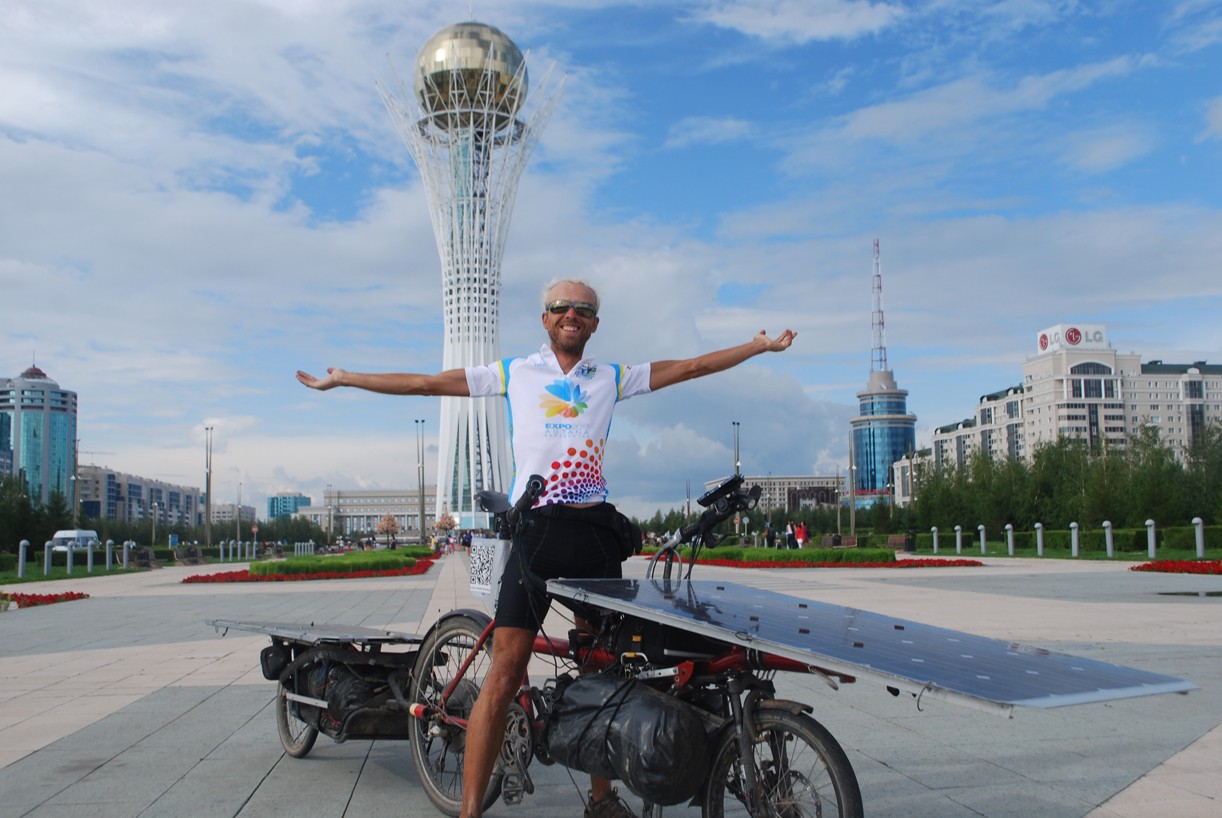
Focus on Raf Van Hulle — winner in 2013 and 2018, 2nd in 2015
5. What do you think your chances are of being on the starting line?
Jack Butler: Of course I can’t say for certain, but I think it’s quite likely that I’ll be there, ready to start in 2028.
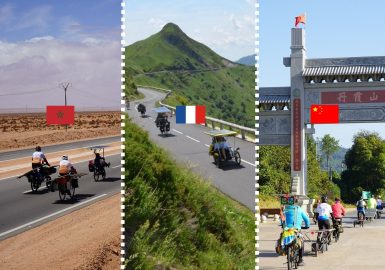
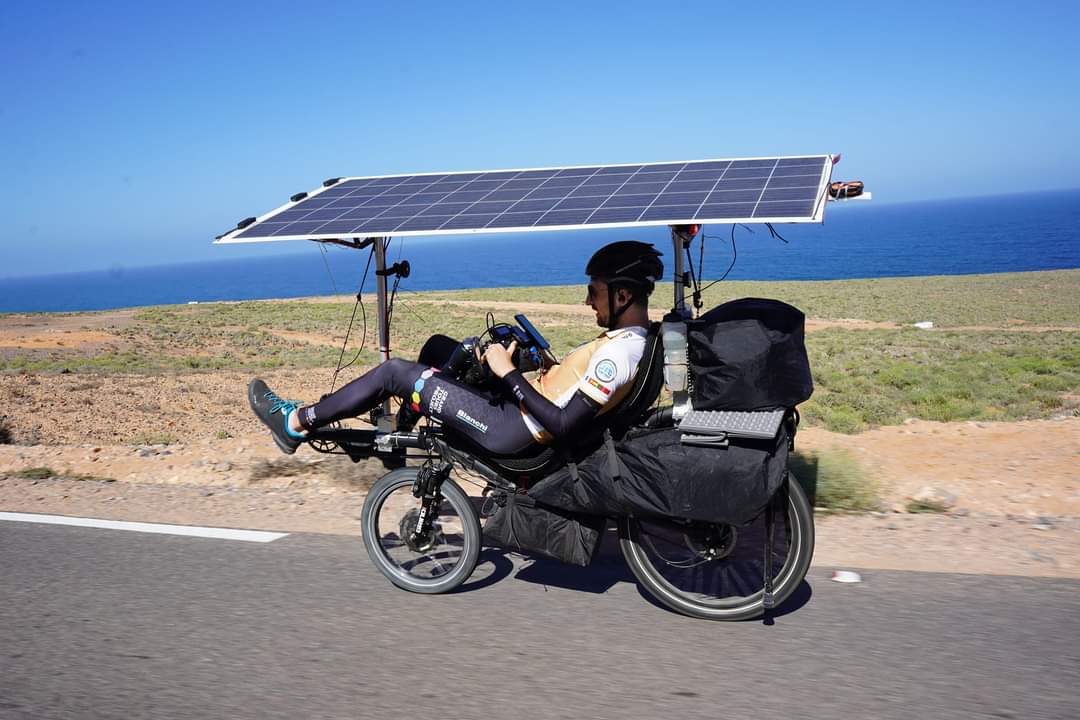
Raf Van Hulle: I will take part with my LE3. It’s ready and was fully tested this year in Morocco. I use it daily and I’m very happy with it. I don’t know if I still have the ambition to win. For me, the route is too beautiful to turn it once again into a race of exhaustion. We’ll see. What is certain is that my LE3 is clearly designed for speed and efficiency. In Morocco, I hoped to beat my daily record of 475 km (Jean-Marc’s), but weather and wind conditions made it impossible. In the Sahara, there’s a lot of dust in the air, which reduces solar energy. Along the Silk Road and on the Tibetan plateaus, that’s not the case — they are perfect for new records. The air is thinner, the altitude higher, and the long straight roads endless. You can ride very fast there, continuously.
Bernard Cauquil: As things stand today, I don’t currently plan to take part in the Sun Trip 2028.
Jean-Marc Dubouloz: At the end of my first Sun Trip, I said: “Never. Never again.” And then… I went back.
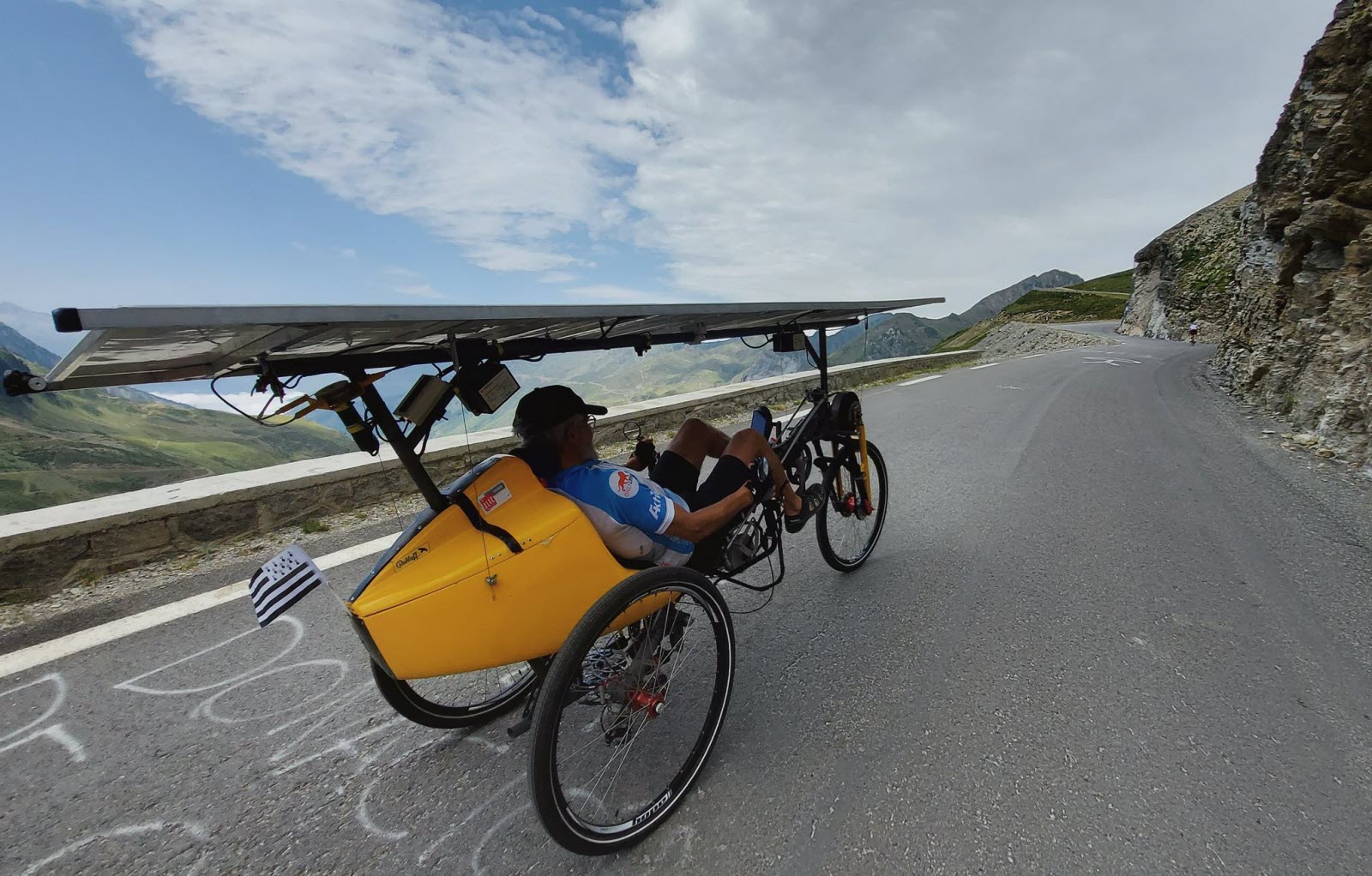
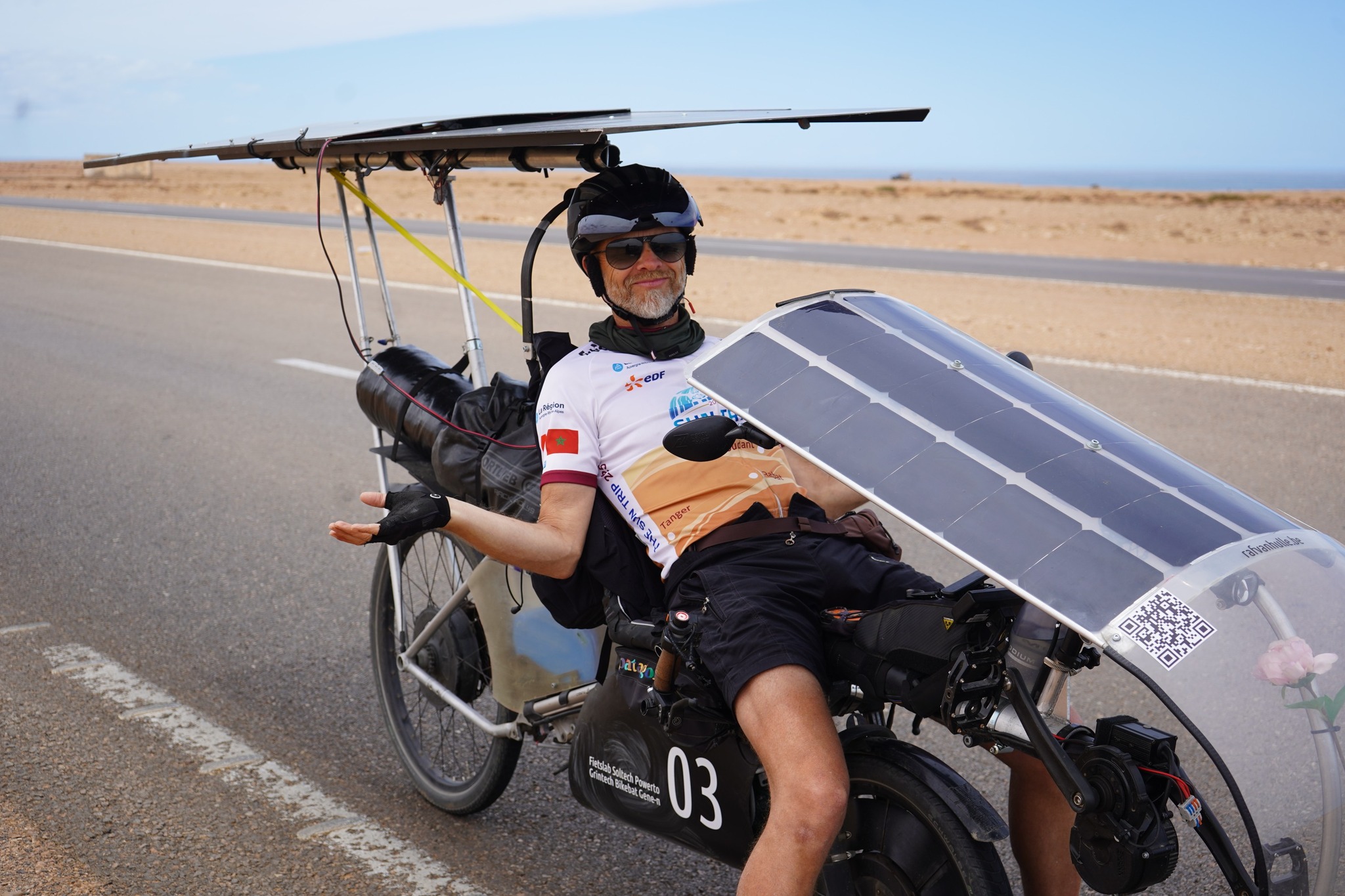
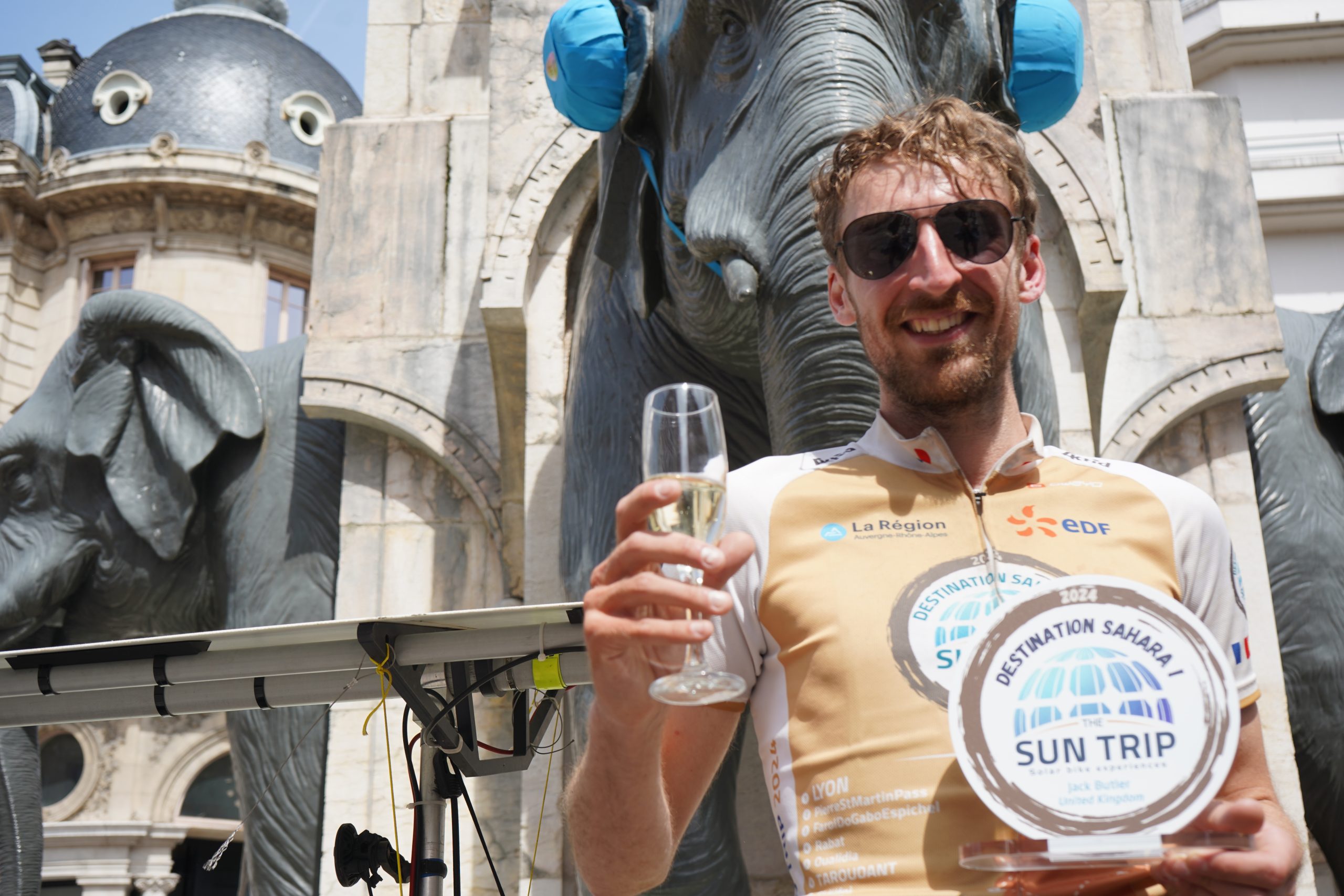
Focus on Jack Butler — winner in 2024, 6th place in 2018
6. What is your champion’s advice for someone discovering the Sun Trip, or dreaming of taking part in 2028?
Raf Van Hulle: 2028 gives us plenty of time to prepare. Use that time to get the bike ready and properly tested. A reconnaissance trip around the Caspian Sea can really help, so you know where to embark and which route to choose. Once the race starts, there’s no time left for sightseeing.
Bernard Cauquil: Start preparing now — mentally and psychologically — as well as fine-tuning the machine you plan to use and clearly defining your route.
Jean-Marc Dubouloz: Do what I did: call Guillaume Devot from Grintech.eu.
Jack Butler: This is the best year to take the leap. This is the big one. The real epic Sun Trip! The idea alone should be frightening. But with determination, it’s possible.
If you want to join the adventure : The Sun Trip 2028